Visit the D-Day Landing Beaches of Normandy

Visit the D-Day Landing Beaches of Normandy

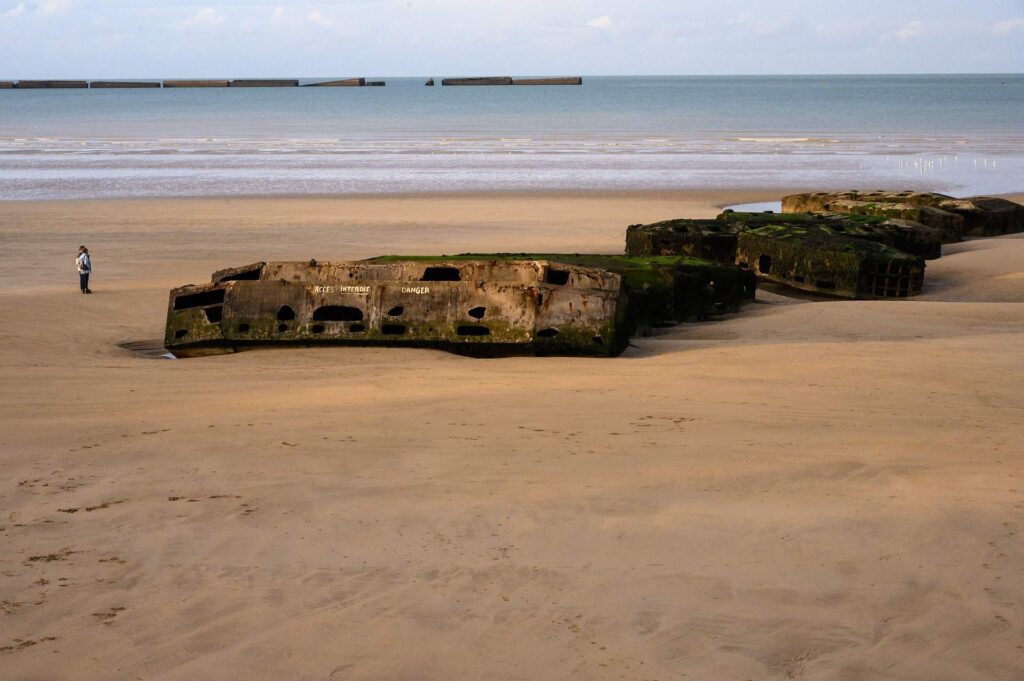
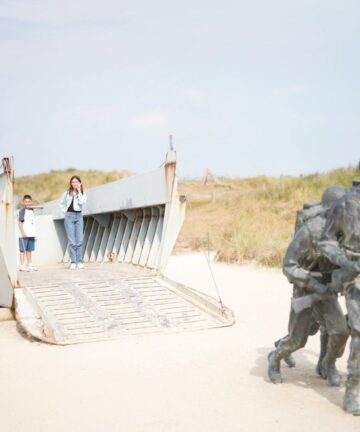
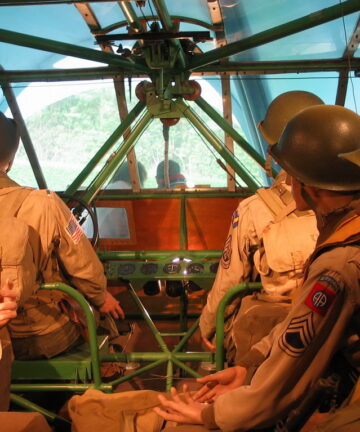
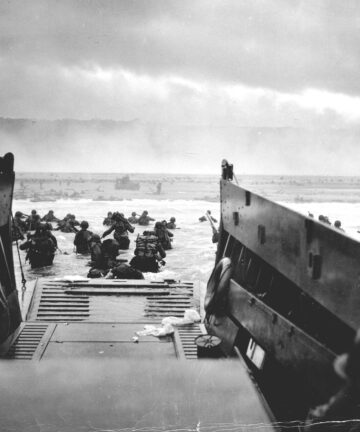
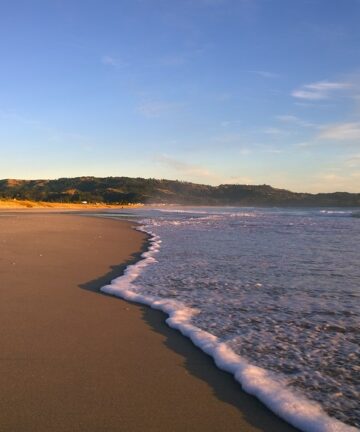
The D-Day landings that took place on the 6th of June, 1944 mark the beginning of the liberation of France and Europe. They are known worldwide for their historical significance and message of peace. In 2026 the beaches were inscribed on the UNESCO World Heritage List. The beaches and surrounding memorials/museums are an important place to visit in order to commemorate this important time in history.

What to see : the 5 D-Day Landing Beaches

Omaha Beach

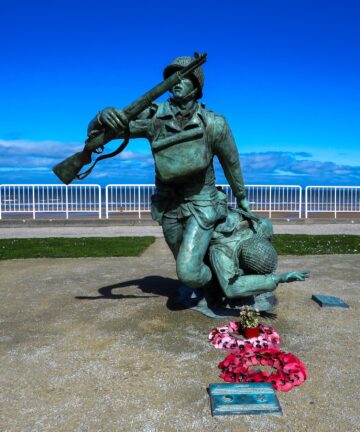
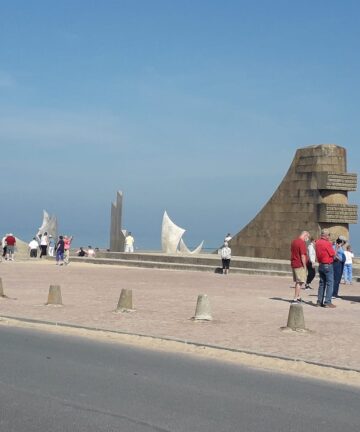
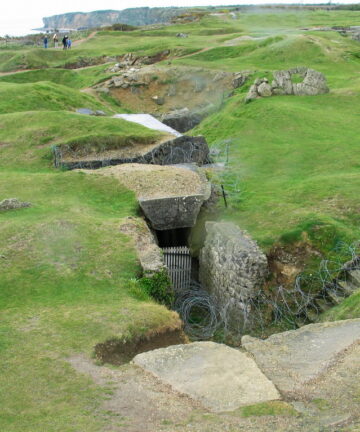
Known as “Bloody Omaha” because of the heavy American casualties suffered during the landings, Omaha Beach saw some of the fiercest fighting of D-Day. Today, it is one of the most poignant places to explore the story of the American landings.

Utah Beach

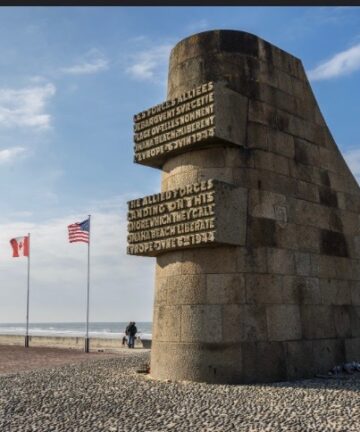
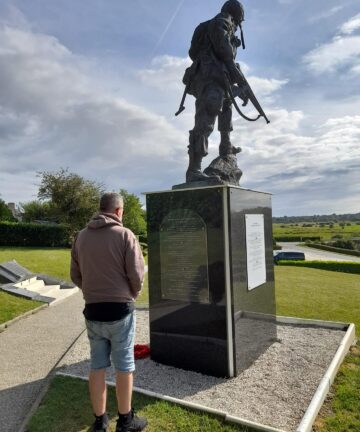
The westernmost of the five D-Day landing beaches, Utah Beach formed part of the American sector. American troops landed here on 6 June 1944, and the beach later became home to the first commemorative monument erected on the D-Day beaches.

Gold Beach

British troops landed at Gold Beach, achieving one of the greatest advances inland on D-Day. Their success helped pave the way for the liberation of Bayeux on 7 June 1944, the day after the landings.

Juno Beach

Juno Beach was the Canadian landing sector, where Canadian forces came ashore under intense resistance. Today, the beach and its memorials commemorate the courage and sacrifice of the Canadians who took part in D-Day.

Sword Beach

The easternmost of the five D-Day landing beaches, Sword Beach was a British landing sector. British forces came ashore here with the objective of advancing towards Caen and linking up with Allied airborne troops east of the city

What to do : Museums and Memorials

Normandy British Memorial – Overlooking Gold Beach, the Memorial is one of Normandy’s most moving modern remembrance sites. Officially opened in 2021, it records the names of 22,540 servicemen and women under British command who died on D-Day and during the Battle of Normandy. Those commemorated came from more than 30 countries. There is also a memorial dedicated to the French civilians who died during the campaign.

Juno Beach Centre –  Canada’s Second World War museum and cultural centre in Normandy, standing close to the beach taken by Canadian forces on D-Day. Opened in 2003, the museum tells a much broader story than the landings alone. Exhibitions explain Canada’s involvement in the Second World War, the experiences of Canadian servicemen and civilians, and the country’s contribution to the liberation of Europe. Commemorates the 45,000 Canadians who died during the Second World War, including 381 Canadians killed on D-Day.

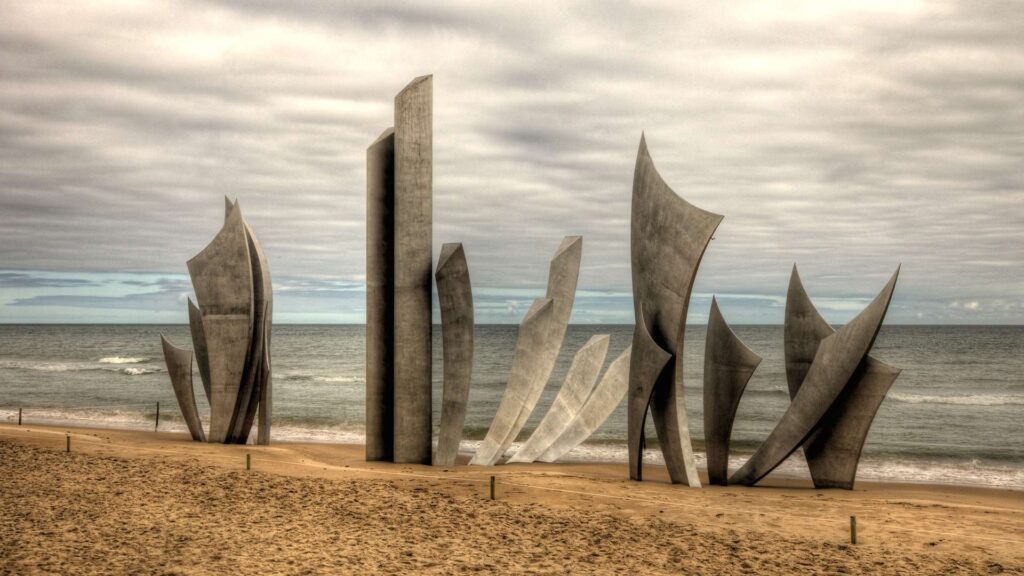
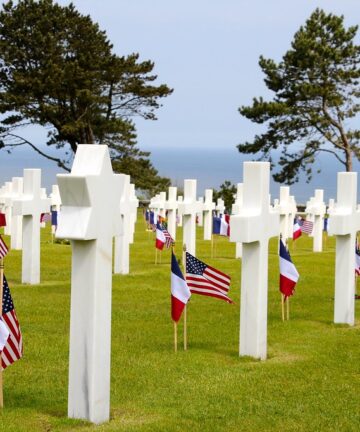
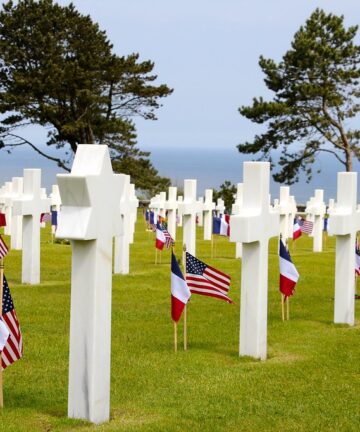
Normandy American Cemetery – Overlooking Omaha Beach, the 172.5-acre cemetery contains the graves of 9,389 American military dead, most of whom were killed during the D-Day landings and subsequent fighting. Another 1,557 names appear on the Walls of the Missing. The memorial includes maps explaining the military operations, a chapel, reflecting pool and the famous bronze statue Spirit of American Youth Rising from the Waves.

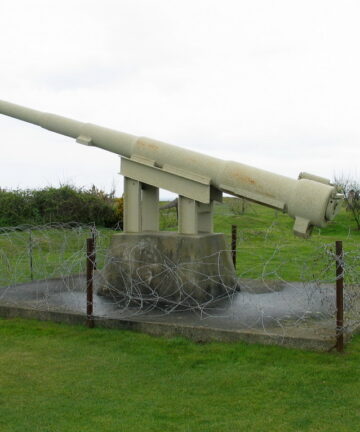
Overlord Museum – This museum is particularly good for visitors interested in tanks, military vehicles, uniforms, weapons and battlefield equipment. Its collection contains more than 10,000 objects and over 40 vehicles, tanks and artillery pieces. Full-size reconstructed scenes place the equipment in context while following the Battle of Normandy from the D-Day landings through to the liberation of Paris.

As well as the D-Day beaches, Normandy is full of towns and villages worth discovering, such as Bayeux, Honfleur, Giverny and Etretat. You can read more about these places in the articles here (and book walking tours to explore them!):

Local Normandy cuisine

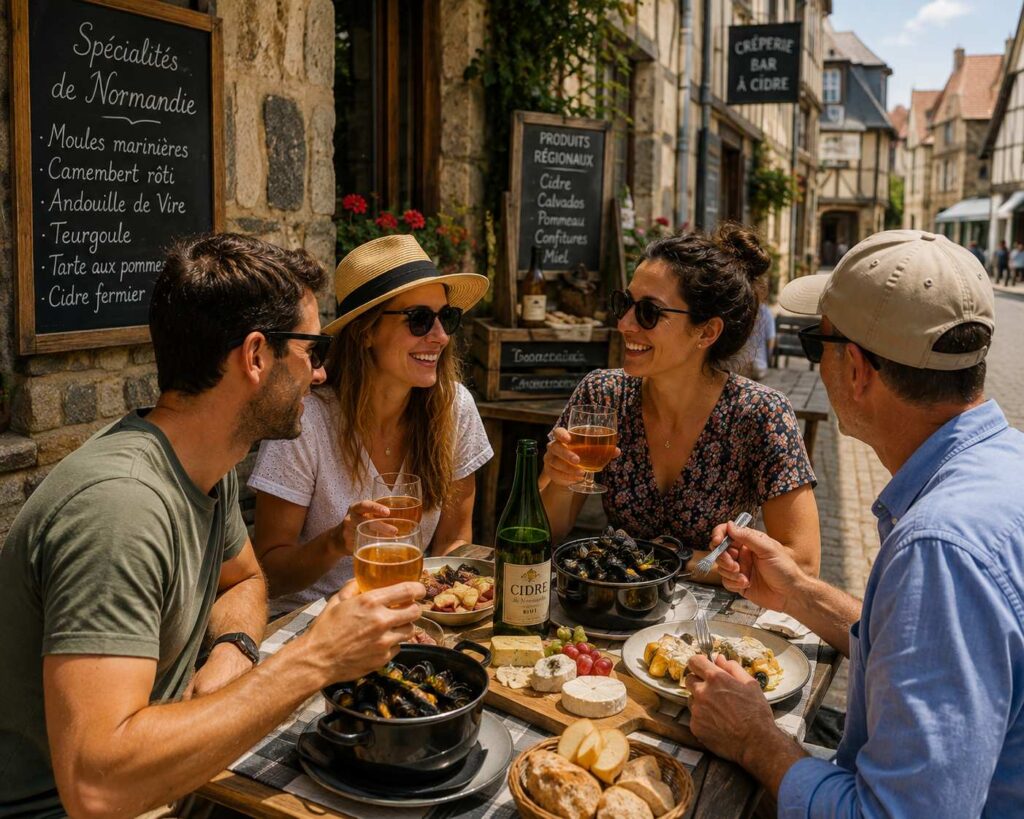
Camembert rôti (roasted camembert): A popular dish in the region, typically served with crustly baguette, grapes and salad/roasted vegetables.

Marmite Dieppoise: A speciality fish stew

Fish and Chips: Although a traditional British dish, it can be found all along the Northern French coastline too!

Chicken Normandy: A classic comfort food featuring chicken cooked in apple cider, butter and thick cream.

Moules à la Normande: Mussels simmered with cider, onions and heavy cream

Normandy cider: As the biggest producer of cider in France, you must try some traditional cider when in Normandy

Calvados: A type of brandy that comes from the town of Calvados in Normandy, it’s known as ‘apple brandy’, as its created using apples and a double distillation method

Apple juice: The perfect non-alcoholic alternative to cider and calvados, try fresh apple juice 100% from orchards in Normandy

Tarte Normande: A classic French dessert with buttery, flaky pastry and thinly sliced apples, baked until golden.

Crêpes Normande: This specific topping of crepe of course includes apple. A delicious traditional French crêpe with caramelized apples and a little calvados.

Galettes: These savoury crêpes are made from buckwheat flour and typically are cooked and served with eggs, cheese, ham or vegetables

Leave a Reply

Your email address will not be published. Required fields are marked *